The Unstoppable Rise of Boutique Hotels

In an era once dominated by the predictable comfort of global hotel chains, a quiet revolution has reshaped the landscape of travel. The age of the discerning traveler—one who seeks more than just a place to sleep—has given rise to the boutique hotel. These establishments are not merely buildings with rooms; they are destinations in themselves, curated experiences wrapped in personalized service and unique design. Their ascent is not a fleeting trend but a fundamental shift in what we value when we explore the world. This article delves into the meteoric rise of boutique hotels, dissecting their DNA, exploring the psychology behind their appeal, and forecasting their vibrant future in the ever-evolving hospitality industry.
The Genesis of a Hospitality Revolution
The concept of a standardized, reliable hotel room was a 20th-century innovation that fueled global travel for decades. You knew exactly what to expect, whether you were in New York or New Delhi. However, by the late 1970s and early 1980s, a sense of monotony began to set in. Travelers, particularly those in creative fields, started craving accommodations that reflected the character and culture of the city they were visiting.
The birth of the boutique hotel is widely credited to the opening of two iconic properties. The Blakes Hotel, which opened in London in 1978 and was designed by the famed Anouska Hempel, is often cited as the world’s first. Shortly after, in 1984, entrepreneurs Ian Schrager and Steve Rubell opened Morgans Hotel in New York City. Fresh off their success with the legendary nightclub Studio 54, they aimed to bring a similar sense of style, exclusivity, and drama to the hotel industry. They did away with sprawling lobbies and conventional decor, instead creating an atmosphere that was chic, intimate, and theatrical. This was a radical departure from the corporate blueprint, and it struck a chord. These pioneers proved that a hotel could be a story, a stage, and a sanctuary all at once, setting the precedent for a new category of hospitality defined by individuality and flair.
Decoding the Boutique DNA: What Sets Them Apart?
While there is no rigid, universally accepted definition, a true boutique hotel is distinguished by a collection of specific characteristics. These elements work in concert to create an experience that is fundamentally different from that of a large-scale, branded hotel. Understanding these pillars is key to understanding their appeal.
- A. Intimate Size and Scale: The most defining feature is size. Typically, a boutique hotel has fewer than 100 rooms. This limited inventory is intentional. A smaller scale fosters a sense of intimacy and exclusivity, allowing the staff to provide a more attentive and personalized level of service. Guests are not just a room number; they are individuals with names and preferences. This environment makes it possible to build genuine connections, transforming a transactional stay into a relational experience.
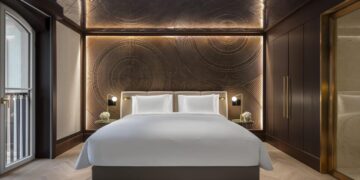
- B. Unique, Design-Led Identity: Boutique hotels are fiercely individualistic. They reject the cookie-cutter approach in favor of a strong, cohesive theme and aesthetic. The design is a primary part of the guest experience, telling a story about the building’s history, the neighborhood’s culture, or a specific artistic vision. Every detail, from the lobby’s art installations and the custom-made furniture to the choice of lighting and the scent in the air, is meticulously curated. The hotel itself becomes an “Instagrammable” destination, a photogenic backdrop that guests are eager to share.
- C. Hyper-Personalized Guest Service: In a boutique hotel, service is intuitive, not scripted. Staff are empowered to go above and beyond to anticipate and meet guest needs. This could mean a handwritten welcome note, a complimentary local craft beer upon arrival, or a concierge who can secure a reservation at that impossible-to-book restaurant. Because the team is smaller and more connected, they can remember returning guests, their favorite rooms, and their dietary restrictions. This level of personal recognition makes travelers feel seen, valued, and cared for in a way that larger institutions often struggle to replicate.
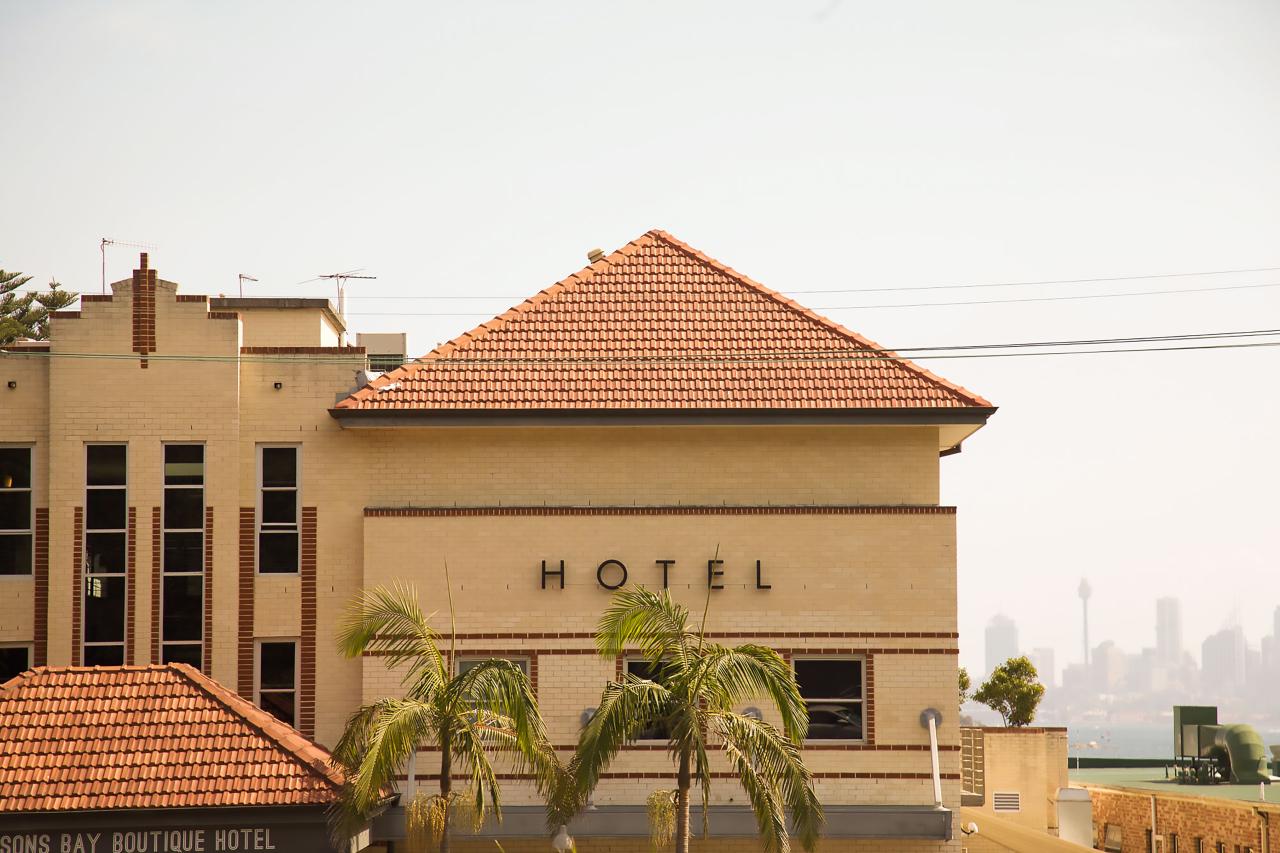
- D. Prime, Character-Rich Locations: You will often find boutique hotels nestled in the most vibrant and fashionable districts of a city. They might be housed in a beautifully restored historic building, a chic urban warehouse, or a discreet side street in the heart of the cultural quarter. The location is an extension of the hotel’s identity, chosen to immerse guests directly into the local scene. The goal is for guests to feel less like tourists and more like stylish residents, with the city’s best galleries, shops, and restaurants right at their doorstep.
- E. Authentic Local Flavor and Community Connection: These hotels act as cultural hubs, celebrating and championing their local environment. This is evident in their design choices, which may feature work by local artists, and in their amenities, which might include locally sourced artisanal bath products. Their food and beverage programs are often a highlight, with restaurants and bars that attract a discerning local clientele as well as hotel guests. By becoming an integral part of the neighborhood, they offer travelers an authentic slice of local life, a genuine connection to the place they are visiting.
- F. Curated Food and Beverage Programs: Forget generic hotel restaurants. Boutique hotels pride themselves on offering unique and high-quality dining and drinking experiences. The lobby bar might be a destination for craft cocktails, the rooftop might offer stunning city views and a tapas menu, and the restaurant may be helmed by an up-and-coming local chef. These are not just amenities for guests; they are standalone destinations that contribute significantly to the hotel’s brand and revenue.
- G. An Independent, Maverick Spirit: At their core, most boutique hotels are independent. This freedom from corporate mandates allows them to be agile, creative, and quirky. They can take risks with design, experiment with service models, and adapt quickly to new trends. This independent spirit is palpable and is a major draw for travelers who are weary of corporate sameness and seek out businesses with personality and passion.
The Psychology of Choice: Why Modern Travelers are Obsessed
The explosive growth of the boutique sector is directly tied to the evolution of the modern traveler’s mindset. Today’s consumers, particularly Millennials and Gen Z, prioritize experiences over possessions. This fundamental shift has profound implications for the hospitality industry.
The search for authenticity is paramount. In a hyper-connected, often-homogenized world, travelers crave genuine, unique experiences that they can’t find anywhere else. They want to feel connected to a place, not insulated from it. A boutique hotel, with its deep local roots and distinct personality, offers a powerful antidote to the generic travel experience. It provides a story to tell and, crucially, a story to share.
The rise of social media has turned travel into a visual narrative. Platforms like Instagram have created a demand for aesthetically pleasing and unique environments. Boutique hotels, with their impeccable interior design and photogenic corners, are perfectly positioned to capitalize on this. A stay at a stylish boutique hotel is not just a vacation; it’s an opportunity to create and share beautiful content, which in turn acts as powerful, organic marketing for the hotel.
Furthermore, there is a growing desire for “transformational travel”—journeys that enrich, educate, and inspire. Boutique hotels facilitate this by immersing guests in local culture, art, and cuisine. They are more than just a base for exploration; they are an active part of the discovery process.
The Industry Response: Giants Adopting the Boutique Playbook
The success of the boutique model has not gone unnoticed by the major hotel conglomerates. Recognizing the shift in consumer demand, giants like Marriott, Hilton, Hyatt, and IHG have launched their own “soft brand” collections. These collections, such as Marriott’s Autograph Collection, Hilton’s Curio Collection, and Hyatt’s Unbound Collection, bring independent, boutique-style hotels under their corporate umbrella.
This strategy offers a win-win scenario. The independent hotels retain their unique name, design, and operational style while gaining access to the massive marketing power, distribution channels, and loyalty programs of the global brand. For the conglomerates, it allows them to enter the lucrative boutique market and offer their loyal customers the unique, experience-rich stays they desire without having to build new properties from scratch. This hybridization of the industry signifies the profound and lasting impact of the boutique movement.
The Future is Niche: What Lies Ahead for Boutique Hotels?
The boutique hotel sector is poised for continued innovation and growth. The future will likely see them lean even further into the qualities that make them special, with several key trends emerging:
- Hyper-Personalization: Leveraging technology and data, boutique hotels will offer an even more tailored guest experience. Imagine a room where the temperature, lighting, and streaming service preferences are pre-set based on your previous stays, and the minibar is stocked with your favorite local snacks.
- Wellness and Transformational Stays: Going beyond a simple gym, future boutique hotels will integrate comprehensive wellness offerings. This could include in-room mindfulness apps, partnerships with local yoga studios, spa treatments featuring indigenous ingredients, and curated wellness retreats.
- Sustainability as a Standard: The conscious traveler is a growing demographic. Boutique hotels will lead the way in sustainable practices, from zero-waste kitchens and single-use-plastic-free environments to energy-efficient building designs and direct support for local conservation projects. This commitment will be a core part of their brand story.
- The Rise of the “Micro-Boutique”: As real estate in prime locations becomes more expensive, we will see the growth of smaller, highly curated properties with perhaps only 10-20 rooms. These “micro-boutiques” or “poshtels” (plush hostels) will offer high design and personalized service at a more accessible price point.
- Community and Co-Working Integration: The line between business and leisure travel continues to blur. Boutique hotels will increasingly incorporate stylish and functional co-working spaces, becoming hubs for digital nomads and local creatives, further cementing their role as community cornerstones.
Conclusion
The rise of the boutique hotel is a testament to the power of personality in a world of mass production. They have successfully challenged the status quo by proving that intimacy, character, and a genuine sense of place are the new currencies of luxury. They cater to our deep-seated desire to feel connected, to discover something new, and to be part of a unique story. As they continue to innovate and inspire, boutique hotels are not just changing where we stay; they are fundamentally redefining the art of travel itself, one unforgettable experience at a time.