The accelerating global trend of urbanization has profoundly transformed city centers into densely populated, hyper-competitive environments where every square foot of real estate is priced at a premium. Within the highly competitive hospitality sector, this intense constraint on physical space has demanded a radical, innovative rethink of traditional hotel design and operational models. The conventional luxury hotel, with its massive, sprawling rooms and underutilized public spaces, is no longer the sole viable model for high-traffic, metropolitan areas.
Micro-hotels—a specialized, rapidly growing category of accommodation—represent the indispensable architectural solution to this economic and spatial challenge. These establishments are meticulously engineered to maximize space efficiency. They provide guests with compact, highly functional, and technologically integrated private rooms. Simultaneously, they shift the communal experience to vibrant, multi-purpose public zones. This crucial design philosophy is not about sacrificing quality. It is about distilling the guest experience down to its essential, highest-value elements: superior sleep, seamless connectivity, and strategic location.
Understanding the core architectural strategies, the necessary technological integrations, and the profound economic advantages of this space-efficient model is absolutely paramount. This knowledge is the key to comprehending the engine that drives modern urban hospitality, lowers development costs, and provides an appealing, minimalist experience for the contemporary traveler.
The Economics of Urban Space Efficiency
The driving force behind the rise of micro-hotels is fundamentally an economic one. In major global cities like Tokyo, London, and New York, the sheer cost of acquiring and developing commercial real estate has made traditional large hotel room footprints financially prohibitive. Micro-hotels acknowledge this reality directly. They optimize the most expensive element of the hotel—the private room volume—for pure efficiency. This allows the developer to fit a significantly greater number of rooms onto a small, valuable urban land parcel. This increase in room inventory dramatically increases the revenue potential per square foot of the asset.
The design philosophy dictates that the private room should be treated as a highly functional, compact sanctuary. This sanctuary is dedicated solely to essential activities: sleeping, personal care, and secure storage. Non-essential features, such as large, empty corridors or excessive sitting areas, are ruthlessly eliminated. This architectural minimalism reduces the building’s overall physical volume.
This cost-saving is strategically passed on to the guest. Micro-hotels can often offer premium locations at significantly more accessible price points than traditional luxury competitors. This value proposition is highly attractive to budget-conscious business travelers and experience-focused younger generations. The lower price point drives higher occupancy rates.
Furthermore, the design focuses on simplifying operational expenditure (OpEx). Smaller rooms require less energy for lighting and climate control. They require less time and fewer resources for housekeeping and maintenance. This structural efficiency translates directly into a superior profit margin for the operator.
Architectural Strategies for the Compact Room
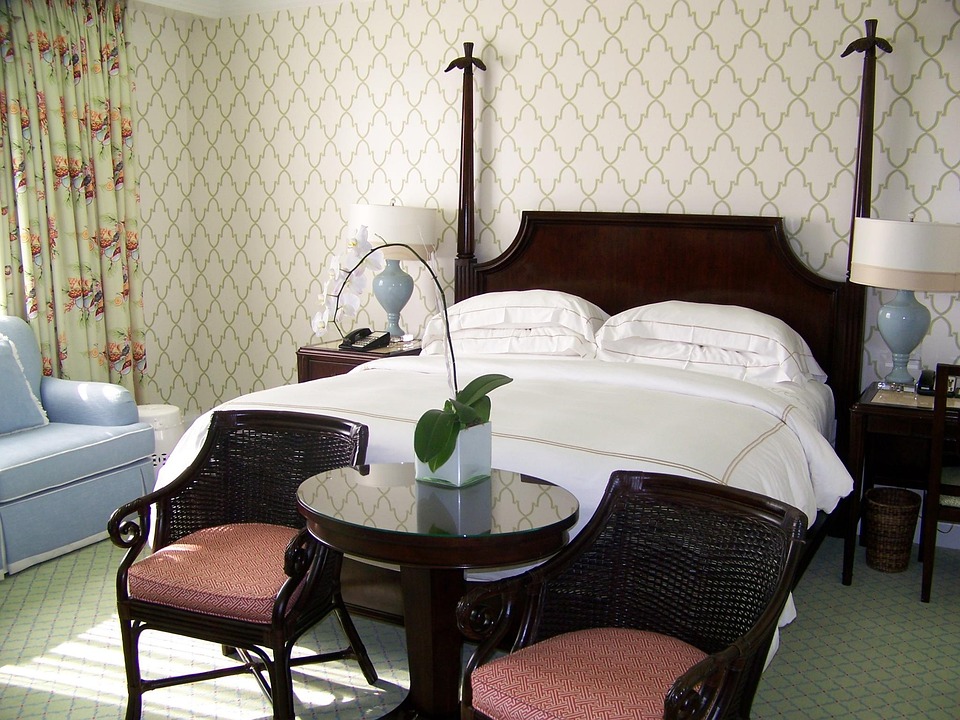
The core challenge of the micro-hotel is delivering a high-quality, comfortable experience within a highly constrained physical space, often rooms measuring only 100 to 170 square feet. This requires exceptionally clever, custom-designed architectural solutions. Every single inch of volume must be intentionally utilized.
A. Integrated, Multi-Functional Furniture
The design relies heavily on integrated, multi-functional furniture. Beds are often built into custom platforms. Storage is seamlessly integrated into wall panels or beneath the bed frame. Desks may fold out from the wall or double as media consoles. This system eliminates unnecessary, bulky standalone pieces. This frees up maximum usable floor space for the guest.
B. Vertical Space Utilization
Effective micro-hotel design uses vertical space utilization creatively. Pod-style or capsule rooms utilize stacked, dedicated sleeping compartments to maximize density. High ceilings can be used to create lofted storage or separate sleeping areas. The design emphasizes height rather than sprawling width. This architectural choice minimizes the feeling of confinement.
C. The Wet Bathroom Pod
The bathroom is often streamlined into a pre-fabricated wet bathroom pod. The shower, toilet, and sink are combined into a single, water-resistant unit. This design minimizes the required footprint for plumbing and tiling. Using pre-fabricated modular units also significantly reduces on-site construction time and cost. Efficiency is maximized through modular design.
D. Lighting and Visual Perception
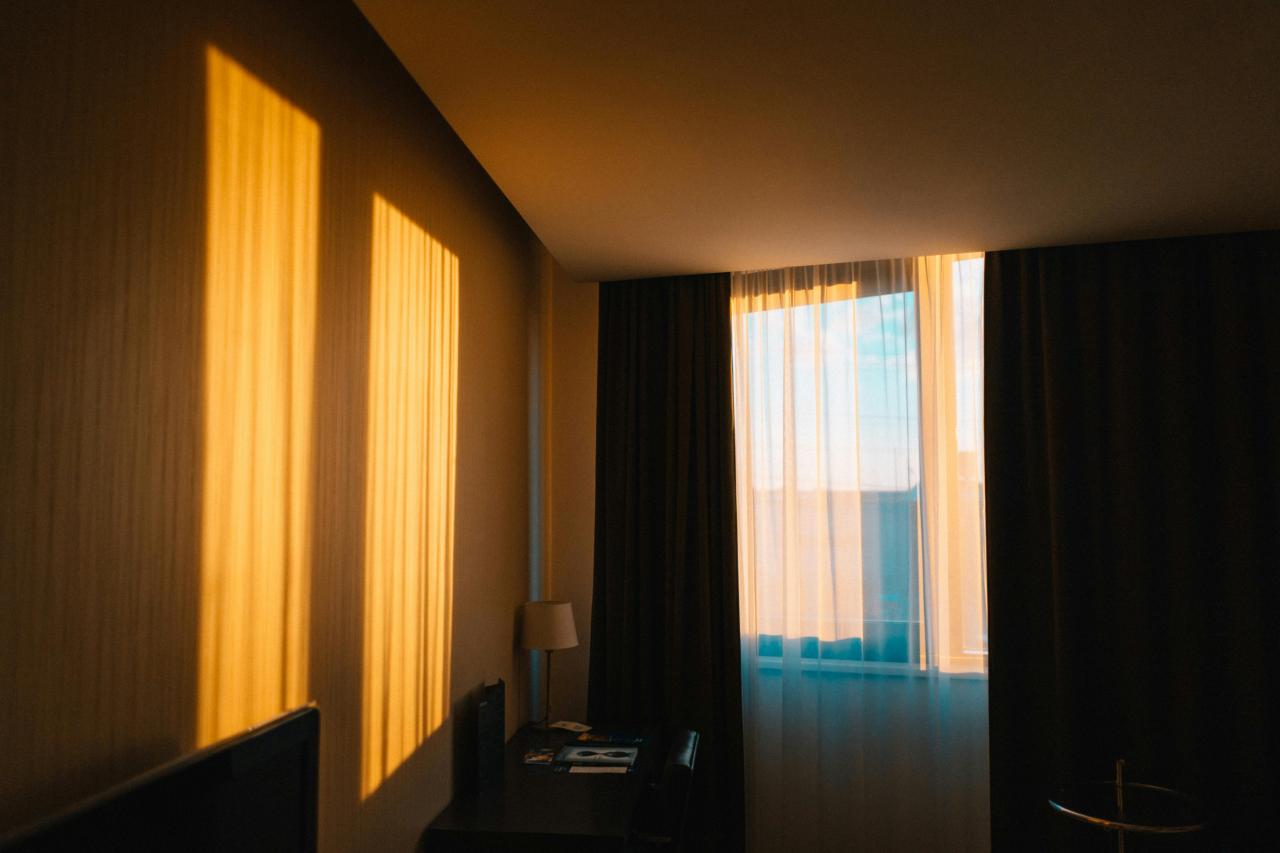
Strategic lighting and mirrors are indispensable tools for visually expanding the perceived size of the compact room. Large mirrors reflect light. They create the illusion of greater depth and space. Adjustable, targeted lighting can be used to delineate functional zones (work, sleep). A bright, well-lit space feels larger and more welcoming than a dimly lit one.
Technology for Seamless Functionality
Micro-hotels rely intensely on seamless technology integration to enhance the guest experience and manage the small physical space efficiently. Technology compensates for the minimal service provided by human staff. It provides necessary, instant utility.
E. Smart Room Control
Smart room control systems allow the guest to manage lighting, temperature, ventilation, and entertainment via a centralized digital panel or a dedicated mobile application. This integrated control system reduces the need for multiple physical switches and controls. Automation ensures that every system operates at peak efficiency.
F. Digital Key and Self Check-in
The digital guest journey begins with self check-in kiosks or mobile apps. These tools allow the guest to bypass the front desk entirely. The room key is delivered directly to the guest’s smartphone or smartwatch. This efficiency reduces the required labor for front-of-house staff. It provides a frictionless, immediate arrival experience.
G. Optimized Connectivity
High-speed, reliable Wi-Fi connectivity is a non-negotiable amenity. The compact nature of the rooms means that guests often rely on the hotel network for all their entertainment and professional needs. The network must be robust enough to handle high-density usage without any degradation in speed. Superior connectivity is the new baseline standard.
H. Automated Concierge Services
Automated concierge services utilize AI-powered chatbots or voice assistants to answer common guest questions instantly. These systems provide information on local restaurants, transportation options, or hotel amenities. This automation frees human staff to handle complex or personalized guest requests effectively. AI handles the routine information flow.
The Shift to Vibrant Public Zones
The space saved by compacting the private rooms is strategically reinvested into designing large, dynamic, and highly functional communal and public zones. These shared spaces become the true social and operational heart of the micro-hotel. The public area enhances the collective value proposition.
I. Multi-Functional Lobbies
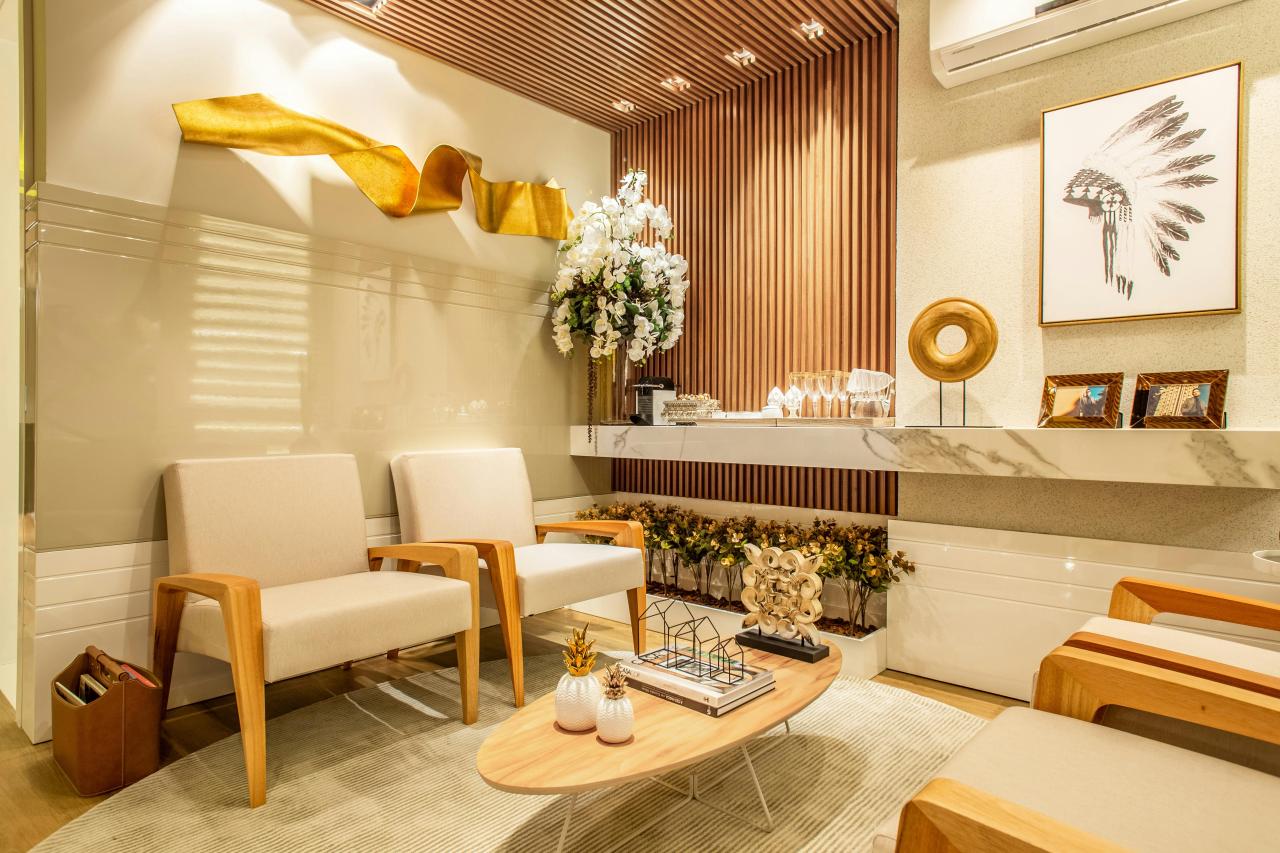
The lobby is transformed from a mere waiting area into a dynamic, multi-functional hub. It integrates the check-in area, a grab-and-go food and beverage counter, co-working tables, and flexible lounge seating. The space actively encourages spontaneous social interaction and collaboration among guests. The lobby serves as a true “third place.”
J. Co-Working and Business Centers
Dedicated co-working zones and open business centers cater to the needs of the modern business traveler. These areas provide high-speed power outlets, reliable Wi-Fi, and private soundproof pods for video conferencing. The hotel actively supports productivity outside the confines of the small private room. This amenity is a key differentiator.
K. Integrated Food and Beverage (F&B)
The Food and Beverage (F&B) service is often streamlined. It moves away from high-cost, full-service restaurants toward integrated café-bar models. This model focuses on high-quality coffee, simple grab-and-go options, and self-service kiosks. The F&B service enhances the social atmosphere of the communal areas.
L. Revenue Generation from Public Space
The micro-hotel generates significant revenue directly from its vibrant public spaces. Revenue is generated through high-margin food and beverage sales, renting meeting rooms, and hosting community events. The public zones are designed as active, profit-generating areas, not just as cost centers.
Conclusion
Micro-hotels are the specialized architectural solution for maximizing efficiency in dense urban real estate markets.
The design strategy minimizes the private room’s footprint while concentrating all necessary functional elements into a compact, seamless volume.
Integrated, multi-functional furniture and clever vertical utilization are mandatory techniques for maximizing the limited usable floor space.
The operational model relies heavily on smart room control, digital keys, and self check-in to provide efficient, touchless service.
The space saved in the private rooms is strategically reinvested into creating large, vibrant, multi-functional public and communal zones.
The lobby is transformed into a true social and co-working hub, actively encouraging spontaneous interaction and productivity among guests.
The economic imperative is clear: increased room inventory per square foot allows for accessible pricing in otherwise premium urban locations.
Lower development costs and reduced operational expenditure translate directly into superior, sustainable profit margins for the operator.
The emphasis on superior connectivity and streamlined service enhances the overall value proposition for the digitally fluent contemporary traveler.
The micro-hotel model provides an attractive, value-driven alternative to traditional luxury competitors in high-demand metropolitan areas.
Understanding this space-efficient architecture is the key to comprehending the necessary evolution of urban hospitality design.
The micro-hotel stands as the final, authoritative guarantor of accessible, efficient, and well-located accommodation in the increasingly dense modern city.